
HSE University Satellites: Three Years in Orbit
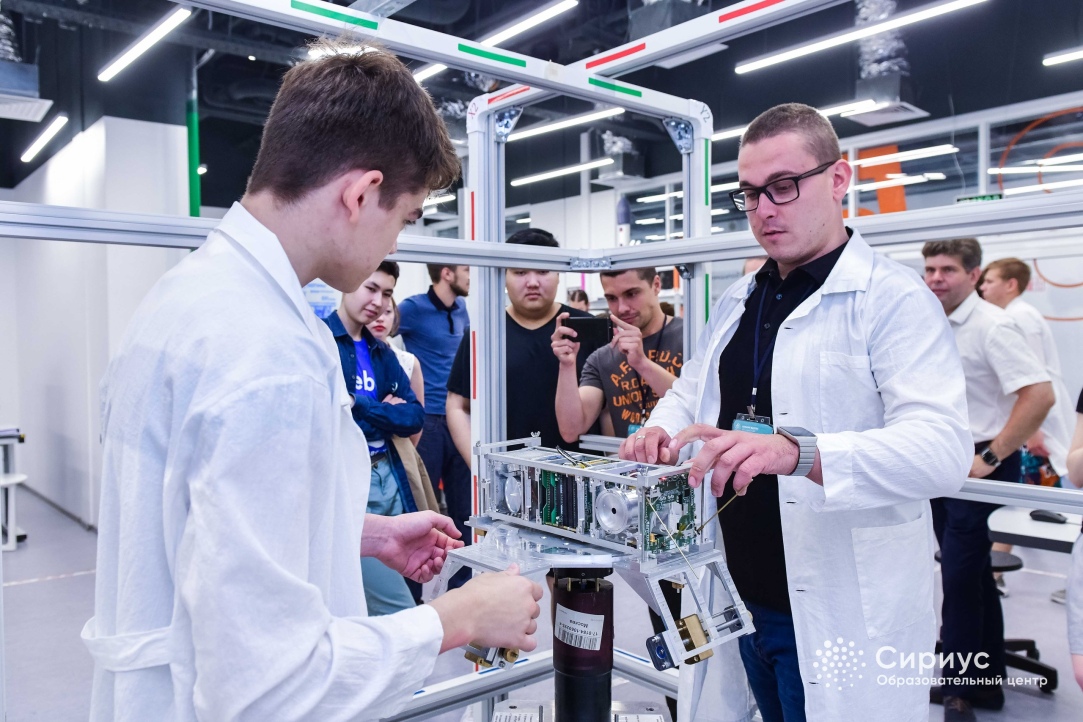
In March 2024, HSE University celebrated an important milestone — the third anniversary of the successful operation in orbit of its first CubeSX-HSE and CubeSX-Sirius-HSE satellites. These spacecraft, created on the basis of the CubeSat platform for Earth observation, continue to function actively, confirming high technological standards and reliability of the university's developments.
‘We Control the Flight of Small Spacecraft’: How HSE University Launches Satellites
Following the meeting with participants of the 3rd Young Scientists Congress, Russian President Vladimir Putin assigned the government to include the creation and launch of small spacecraft in a new national project. Universities will also be involved in the project. Dmitrii Abrameshin, Head of the Mission Control Centre at the Moscow Institute of Electronics and Mathematics at HSE University, spoke about the mechanism of small satellites and which satellites have already been launched by HSE University.
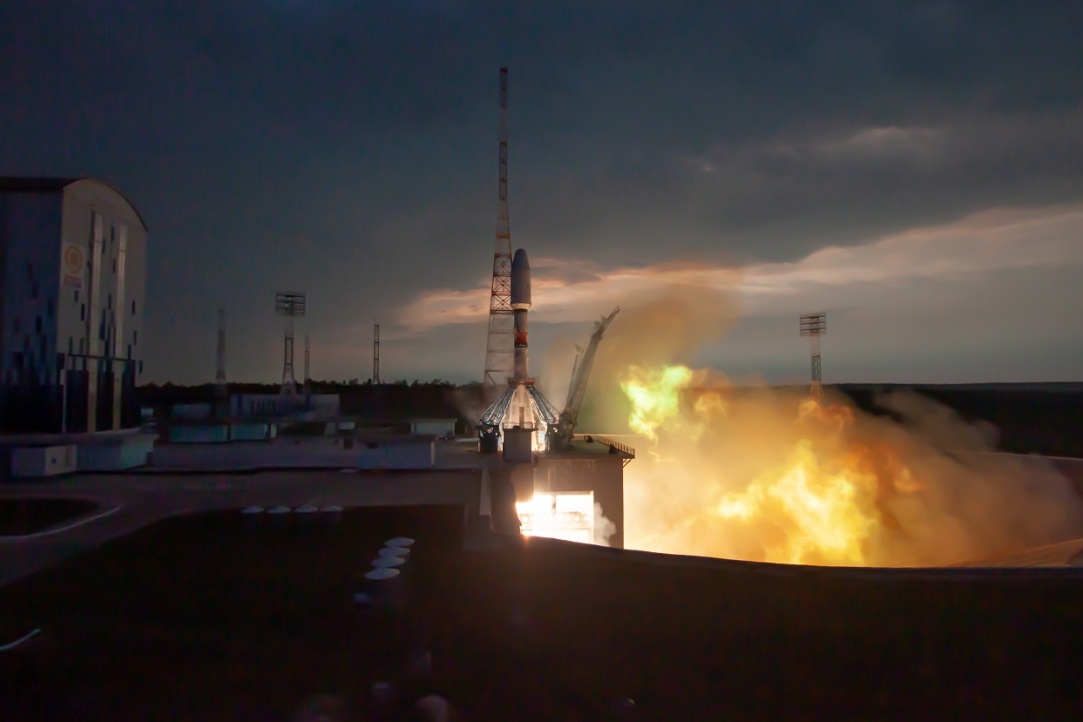
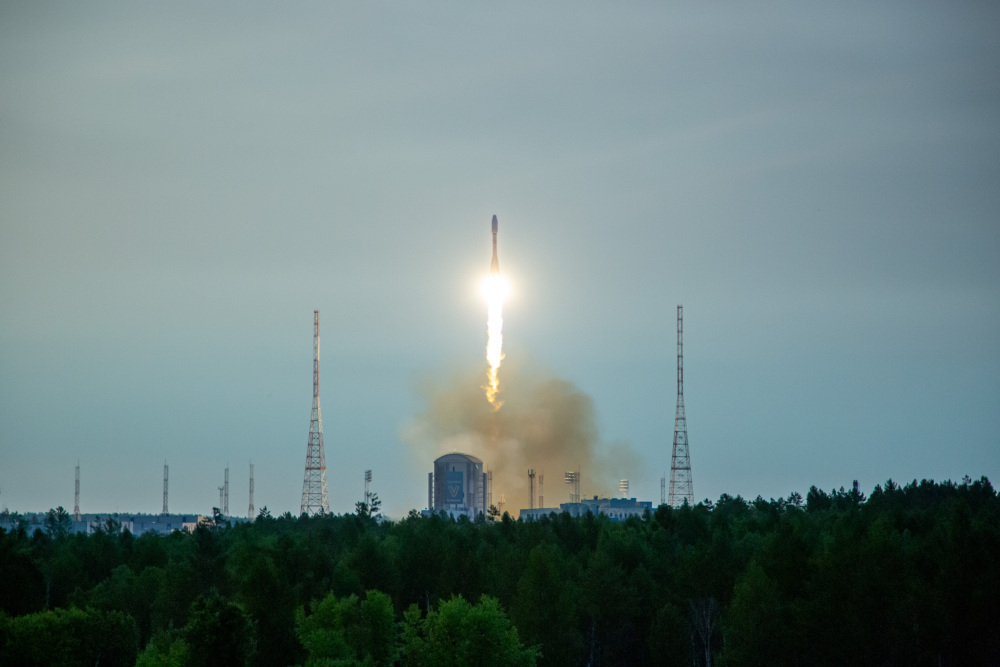
HSE University’s Third Satellite Launched from Vostochny Cosmodrome
The small CubeSX-HSE-3 spacecraft was created by students and staff of the HSE Tikhonov Moscow Institute of Electronics and Mathematics. It is based on the OrbiCraft-Pro 3U platform by Sputnix. The work was carried out as part of the Space-π project with support from the Innovation Support Fund.
In Space with MIEM: All Systems Go!
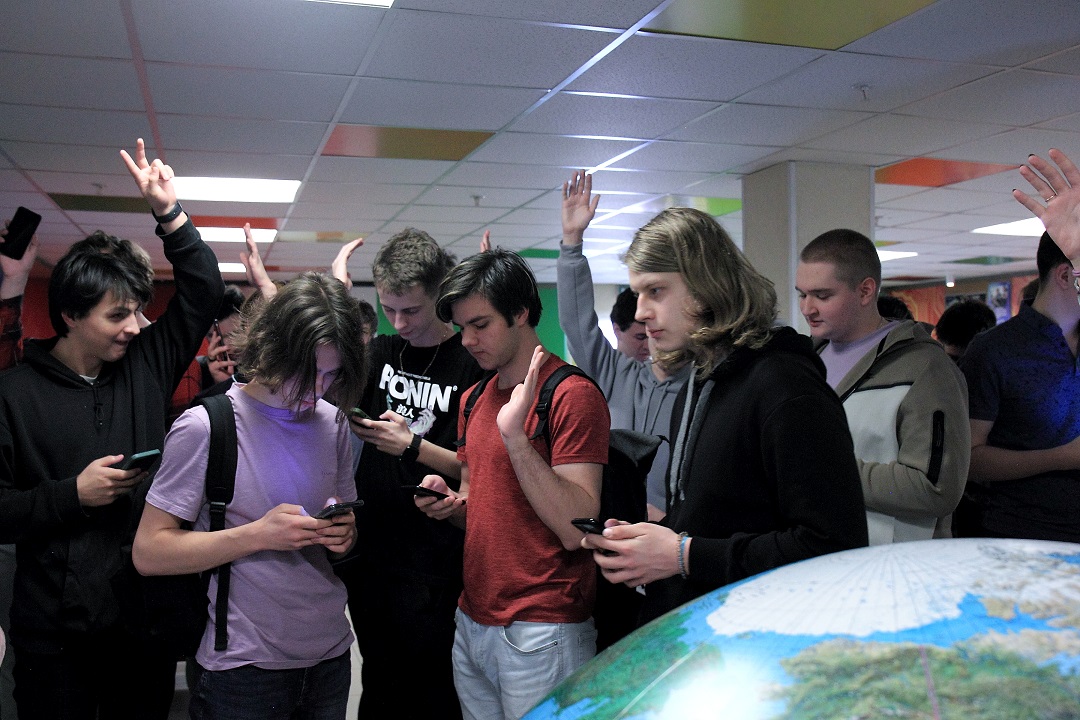
On April 12th, the traditional Big Space Break took place at the HSE MIEM. This interactive event for students and staff was organized by specialists from the Laboratory of Space Vehicles and Systems' Functional Safety.
240 Million Kilometres: HSE Satellite Spends a Year in Orbit
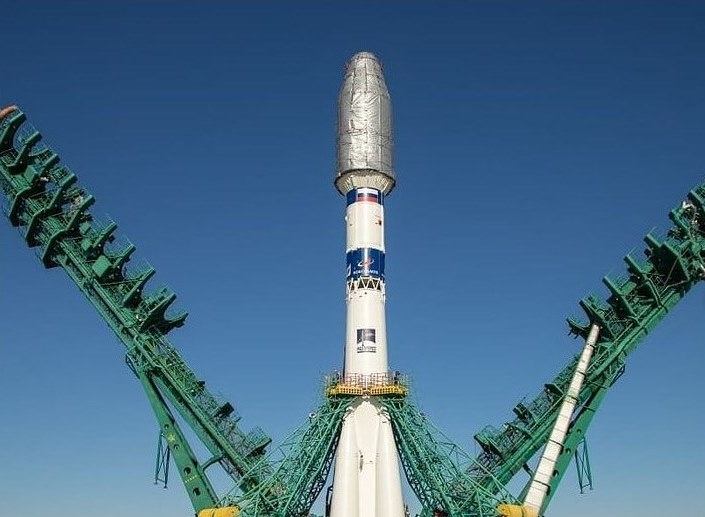
A year ago, on March 22, 2021, at 9:07 Moscow time, a Soyuz-2.1a rocket with a Fregat upper stage was successfully launched from Baikonur Cosmodrome Site 31. The launch vehicle carried 38 satellites, including the CubeSX-HSE satellite developed through the joint efforts of experts and students from the HSE University Laboratory of Space Vehicles and Systems’ Functional Safety of the HSE Tikhonov Moscow Institute of Electronics and Mathematics (HSE MIEM) and Sputnix, a privately-owned space company.
HSE University Participates in Satellite Navigation Monitoring Project
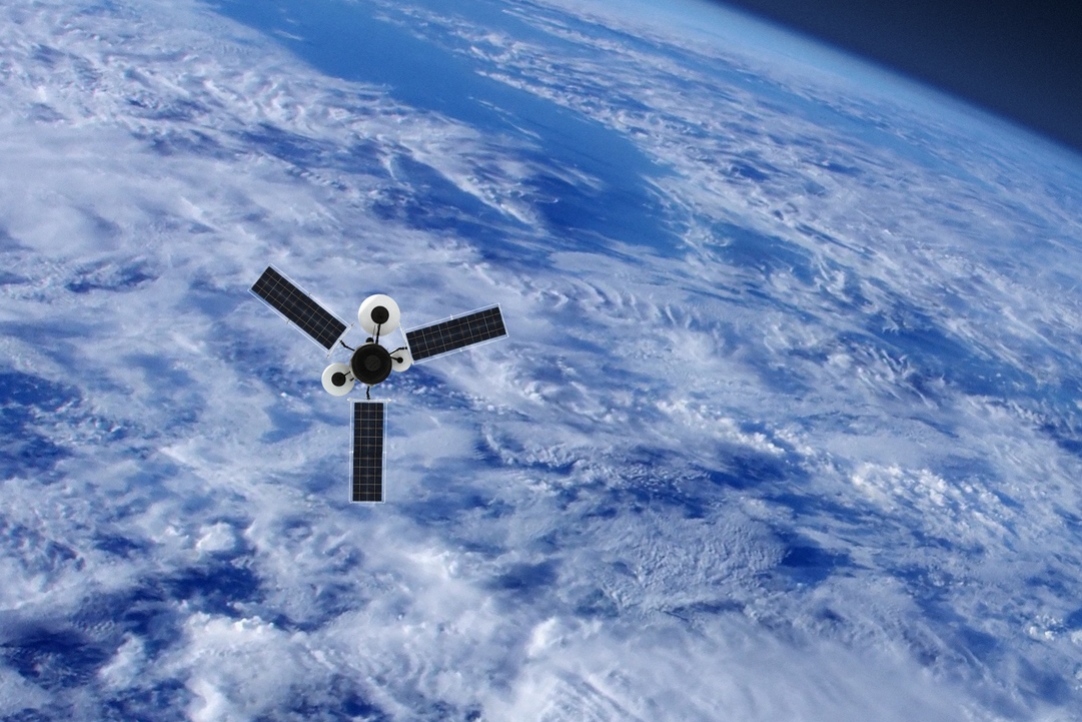
A team of HSE students is taking part in the development of a Russian satellite automatic identification system (AIS) to monitor sea navigation. The aim of the project is to track the locations of vessels and adjust their routes, including in the Arctic along the Northern Sea Route.
‘The Trip to Baikonur Blew My Mind!’
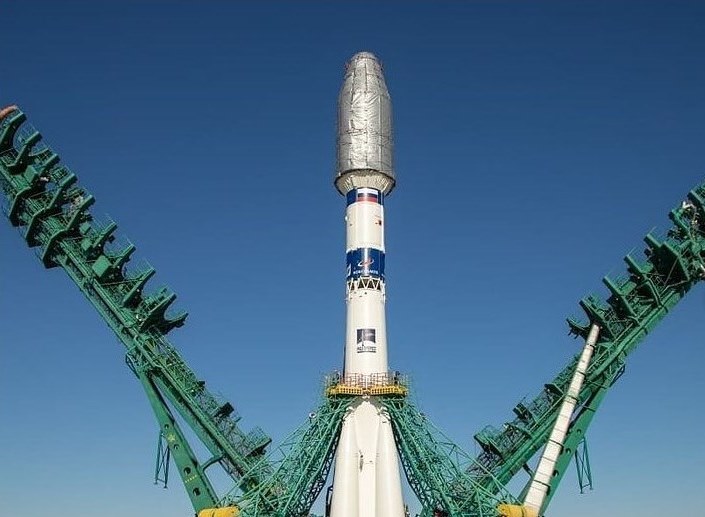
On Cosmonautics Day, the HSE News Service spoke with the participants of the CubSX-HSE project, which recently launched a satellite into Earth orbit. Students and staff from the HSE Moscow Institute of Electronics and Mathematics (MIEM) spoke about their project and impressions of their trip to Baikonur.
HSE University’s CubeSX-HSE Satellite Launched into Orbit
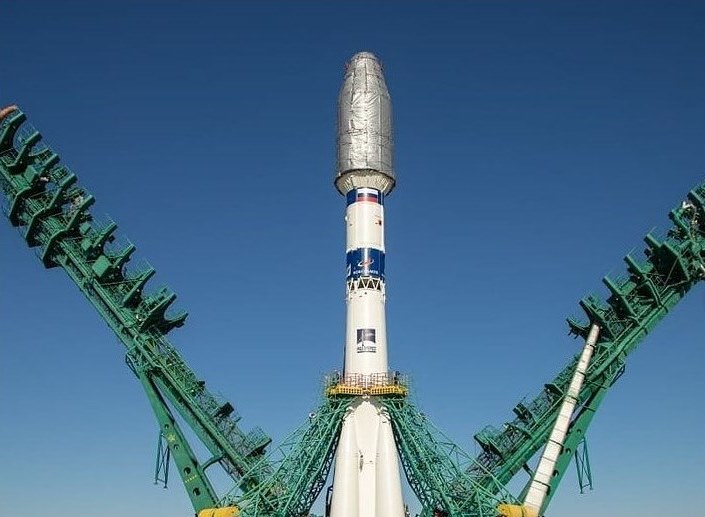
On March 22 at 9:07 Moscow time, a Soyuz-2.1a rocket with a Fregat upper stage was successfully launched. The launch vehicle carried a total of 38 satellites from 18 countries into sun-synchronous orbits, including HSE University’s CubeSX-HSE satellite, which will conduct remote sensing of the Earth.
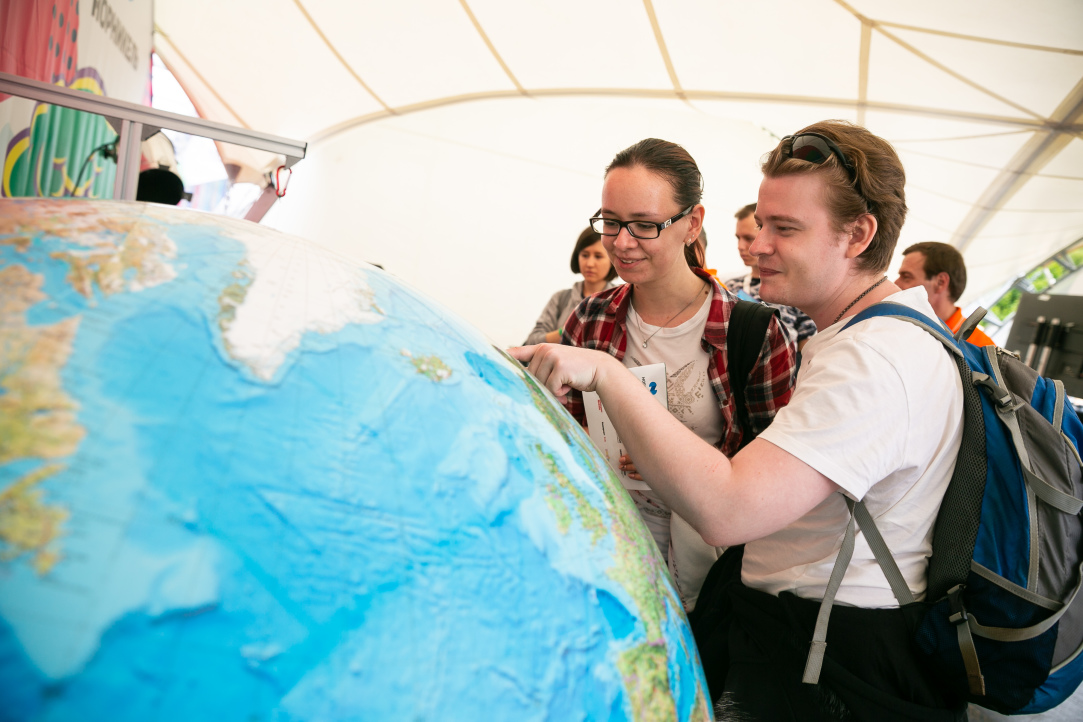
HSE Spotlights Present and Future Scientific Developments at Geek Picnic 2019
This July, St. Petersburg and Moscow hosted Geek Picnic, the popular science festival for lovers of science and cutting-edge technology. This year HSE University became an official partner of the event. Festival guests got to see the recent projects of HSE professors, students, and graduates as well as attend lectures by leading HSE experts.
14th Spacecraft Charging Technology Conference
On April 4th, 2016, the 14th Spacecraft Charging Technology Conference took place in Noordwijk, the Netherlands. Vladimir Saenko, Professor at MIEM School of Electronic Engineering, presented a report on ‘External and Internal Spacecraft Charging Effects and Mitigation Techniques. Russia’s Approach’.